Automotive Risk Management Tool Explained: A UK Buyer's Guide
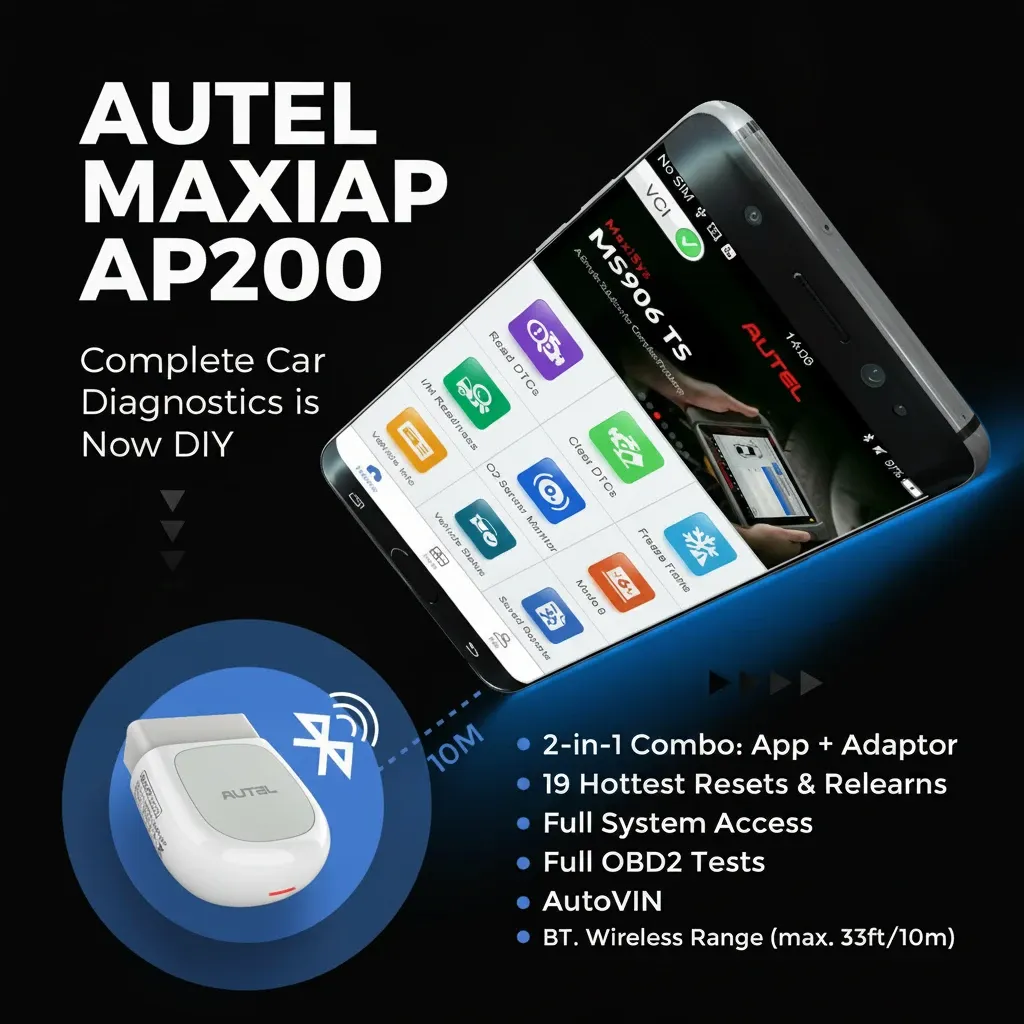
TL;DR: An automotive risk management tool is usually a vehicle diagnostic device that helps UK drivers, garages and fleet operators detect faults early, reduce breakdown risk, support MOT preparation and avoid unnecessary repair costs. In most cases, the most practical option is a Bluetooth OBD2 diagnostic tool paired with a phone, because it makes regular checks faster, simpler and more likely to happen before a minor issue becomes expensive downtime.
An automotive risk management tool helps identify, monitor and reduce vehicle-related risks such as hidden faults, warning lights, battery problems, emissions issues and developing safety concerns. For most UK motorists and small fleets, this means using a diagnostic tool to read fault codes, check live data and make better maintenance decisions before a vehicle becomes unreliable or unsafe.
Modern vehicle risk rarely starts with a dramatic breakdown. Instead, it usually begins with a warning light ignored for a week, a battery issue mistaken for an alternator fault, or a hidden sensor problem that turns a routine school run, courier route or NHS community visit into costly downtime. Therefore, choosing the right tool matters because it helps drivers, technicians and fleet operators spot faults earlier and act with more confidence.
For UK motorists, garages and small fleets, the most practical approach is no longer limited to bulky workshop equipment. BlueScan UK follows a simple idea: transform your phone into a professional vehicle diagnostic tool. With MK808-level diagnostic power and 19 advanced service functions in a pocket-sized Bluetooth dongle, the right setup can turn everyday fault checking into a faster, more informed part of vehicle care.
This guide explains what an automotive risk management tool actually is, what features matter in the UK market, and how to choose one without paying for functions you will never use.
Key Takeaways
- An automotive risk management tool helps identify, monitor and reduce vehicle-related risks before they become expensive failures.
- For most UK buyers, the most useful format is a Bluetooth diagnostic tool paired with a smartphone or tablet.
- Core features should include fault code reading, live data, service reset functions, battery monitoring and broad vehicle compatibility.
- Good diagnostics support safer driving decisions, better maintenance planning and less unplanned downtime.
- BlueScan UK offers pocket-sized diagnostics with professional-level capability suited to motorists, technicians and small fleet users.
What is an automotive risk management tool?
An automotive risk management tool is any device or system used to identify mechanical, electrical or operational issues that could lead to safety problems, roadside failures, non-compliance or rising running costs. In practical terms, this usually means diagnostic hardware and software that reads data from a vehicle’s onboard systems and turns it into useful action points.
In the UK aftermarket, this category commonly includes OBD2 scanners, Bluetooth diagnostic dongles, live-data readers and service-reset tools. The best options do more than pull generic engine codes. Instead, they help users assess developing risks across multiple systems such as ABS, airbags, transmission, battery management and emissions-related components.
Based on our testing of portable diagnostic workflows for everyday drivers and small business users, tools that are easy to connect and quick to use are far more likely to become part of regular maintenance. As a result, convenience is not just a bonus feature; it directly affects whether faults are caught early enough to prevent disruption.
If you maintain vehicles yourself or run several vehicles for work, diagnostics sit alongside physical workshop essentials. For example, if you are building out a more complete toolkit, our guide to the automotive crimping tool in the UK explains why electrical repairs are often only as reliable as the connections behind them.
Why does the term matter in real-world use?
The phrase may sound corporate, but the purpose is straightforward: reduce risk. That could mean preventing an MOT failure caused by an emissions fault, catching a weak battery before winter starts, or confirming whether a warning light reflects an urgent safety concern or a manageable maintenance job.
For independent garages and mobile technicians, it also reduces commercial risk. Better diagnostics can shorten time-to-fault identification and improve customer trust because recommendations are based on system data rather than guesswork.
Why do UK drivers and garages need an automotive risk management tool?
The UK driving environment adds pressure to every vehicle. Short urban journeys increase battery strain. Wet weather affects electrical reliability. Potholes punish suspension components. Stop-start traffic accelerates wear on braking systems and clutches. Consequently, delayed diagnosis becomes expensive very quickly.
According to UK Department for Transport road casualty statistics for Great Britain, road safety depends on several factors including vehicle condition. Diagnostics do not replace inspections or proper servicing; however, they can support earlier detection of faults that may affect safe operation.
For organisations operating time-sensitive vehicles such as care providers, local trades or delivery services supporting NHS-linked supply chains, avoiding unscheduled downtime is not just about convenience. It can affect appointments, customer service targets and day-to-day continuity.
What is the hidden cost of waiting for symptoms?
A minor misfire can become catalytic converter damage. A charging issue can leave a van immobilised on a morning route. An intermittent sensor fault can trigger limp mode when you least need it. In other words, risk grows when problems are only addressed after obvious symptoms appear.
A capable Bluetooth-based scanner allows checks to happen earlier and more often because it is portable enough to keep in the glovebox or tool bag rather than locked away in a workshop cupboard.
How does an automotive risk management tool work?
Most modern tools connect through the vehicle’s OBD2 port. Once paired with compatible software on your phone or tablet, the device communicates with control modules inside the car. It can then retrieve trouble codes, show live sensor readings and support service procedures where available.
What functions should you expect?
- Read and clear fault codes: identify issues stored by onboard systems.
- Live data monitoring: track values such as engine temperature, fuel trims, voltage and sensor output in real time.
- I/M readiness checks: useful when assessing emissions-related status ahead of MOT preparation.
- Service reset functions: reset oil lights and support maintenance procedures on supported vehicles.
- Advanced system access: review modules beyond the engine ECU where supported.
- Battery and charging insight: help spot low-voltage issues before they cause non-start events.
Why does Bluetooth matter for everyday vehicle risk checks?
A Bluetooth dongle makes diagnostics far more usable in everyday conditions. Rather than wheeling out larger standalone hardware each time you need to investigate an issue، you connect quickly using your phone. As a result، that convenience encourages frequent checks rather than occasional reactive use.
This is where BlueScan UK fits naturally into modern ownership: professional-grade diagnostics without forcing users into oversized kit. The value lies in carrying serious capability in your pocket while still accessing broad system insight and advanced service functions usually associated with larger devices.
Ready to diagnose like a pro with BlueScan UK?
Upgrade Your Toolkit — £88.83