The Ultimate Guide to Automotive Crimping Tool in the UK
TL;DR: An automotive crimping tool is the correct tool for making durable vehicle wiring repairs in the UK because it creates a vibration-resistant cold-weld joint, unlike twisting wires or soldering. For most modern cars, a ratcheting crimper with the right die set for open-barrel, sealed or pre-insulated terminals is essential.
An automotive crimping tool is used to make secure, OEM-style electrical connections on vehicle wiring by compressing a terminal onto stranded wire with controlled force. In practice, this produces a stronger and more reliable joint than tape-only repairs or poorly executed soldering, especially in British driving conditions where moisture, salt and vibration are constant concerns.
Intermittent electrical faults are the bane of modern automotive repair. A single corroded pin, a loose ground, or a poorly repaired wiring harness can trigger an avalanche of CAN bus communication errors, rendering a vehicle immobile. According to DVSA data and common MOT failure trends in the UK, electrical and wiring issues remain a frequent cause of faults and advisories. Therefore, when a wiring repair is required, twisting wires together and wrapping them in electrical tape is a recipe for disaster.
The only dependable method for repairing or building many vehicle wiring harnesses is proper mechanical crimping with the correct terminal and die profile. Based on our testing with common aftermarket and OEM-style terminals used in UK workshops, an accurate crimp consistently delivers better strain relief and repeatability than generic budget pliers. This guide explains how automotive crimping works, which tools suit which terminals, and what to look for when choosing one in the UK.
What should you know before buying an automotive crimping tool?
- Vibration is the enemy: Automotive crimping tools create a cold-weld joint that withstands engine vibration and mechanical stress far better than poor-quality soldered joints.
- Die selection matters: Open-barrel F-crimp terminals such as AMP Superseal and Deutsch require specific ratcheting dies to secure both the conductor and the insulation or weather seal correctly.
- Standards matter in the UK: According to BS EN 60352-2 guidance for solderless connections, correct crimp geometry and pull performance are central to a reliable repair.
- Diagnostics come first: Before using your automotive crimping tool, you need to identify the faulty circuit accurately so you repair the right section of loom.
Is crimping better than soldering for automotive wiring?
In most vehicle wiring repairs, yes—crimping is usually better than soldering because it preserves wire flexibility and provides proper strain relief when done with the correct terminal and die. This is especially important in engine bays, door looms, underbody runs and other high-vibration areas.
Why does soldering often fail in cars?
A common misconception among British car enthusiasts is that a soldered joint is automatically superior to a crimped one. However, while soldering can be suitable for static electronics on a bench, it often performs poorly in the harsh environment of a vehicle engine bay or undercarriage.
When you solder two automotive wires together, molten solder can wick up the copper strands beneath the insulation. As a result, part of a flexible stranded cable becomes comparatively rigid. Vehicles endure constant low-frequency and high-frequency vibrations from the engine, road surfaces and suspension components. Consequently, stress concentrates where the solder stops and flexible wire begins. Over time, that area can work harden and crack.
Why does an automotive crimp hold up better?
A professional automotive crimping tool avoids this problem by applying precise pressure to compress the terminal and copper strands into a dense mechanical bond known as cold welding. Because there is no heat involved, the wire remains flexible right up to the joint. In addition, many automotive terminals include a second crimp around the insulation to provide essential strain relief.
Based on our testing of common open-barrel connector systems used on UK vehicles and aftermarket repairs, ratcheting crimps also tend to be more consistent from one connection to the next than manual squeeze-type tools without force control.
What features should an automotive crimping tool have?
Not all crimpers are created equal. The cheap flat steel crimpers often found in budget electrical kits are generally unsuitable for modern automotive repairs. Instead, a proper automotive crimping tool should be chosen as a precision tool matched to specific terminal families.
Why is a ratcheting mechanism important?
The defining feature of a high-quality automotive crimping tool is usually its ratcheting mechanism. Once you begin squeezing the handles, the tool locks until full calibrated pressure has been applied. This helps remove user error and reduces the risk of under-crimping.
If a terminal is under-crimped, microscopic gaps can remain between copper strands. Then moisture from UK weather conditions—particularly winter road salt spray—can enter the joint and encourage corrosion over time.
Do you need interchangeable die sets?
In many cases, yes. Modern vehicles use a wide range of connector systems, so interchangeable jaws or dies make one frame far more versatile. The die determines how the terminal folds around both conductor and insulation.
The most common automotive profile is the open-barrel F-crimp die. This rolls terminal wings into the conductor in a controlled shape that supports electrical contact as well as mechanical retention.
Does handle design make any difference?
Yes—especially if you are making repeated repairs. Because cold welding requires considerable force, better tools use long handles and compound leverage mechanisms to reduce hand fatigue. Therefore they are easier to use when building sections of loom or repairing multiple damaged wires behind dashboards or trim panels.
If you are dismantling interior trim to reach damaged wiring, use proper removal techniques as outlined in our comprehensive Automotive Trim Tool Explained: A UK Buyer's Guide, so you do not damage expensive plastics or clips.
Which automotive crimping tool do you need for different terminals?
The right tool depends entirely on the terminal type. Because UK workshops regularly see European, Japanese and other global vehicle platforms, there is no single die that suits every connector.
What tool do you need for open-barrel terminals?
Open-barrel terminals are standard across many OEM wiring systems. These terminals have two sets of wings: one set grips bare copper strands while another supports insulation. Therefore they require an F-crimp die designed to form both areas correctly without cutting into the wire.
What tool do you need for AMP Superseal or Deutsch connectors?
For engine bays, chassis wiring and exposed locations, weather-sealed connectors are often essential. Systems such as TE Connectivity AMP Superseal and Deutsch use seals that must be retained accurately during crimping.
An appropriate automotive crimping tool must form the conductor crimp securely while also supporting insulation or sealing components without tearing them. Otherwise water ingress becomes much more likely.
Can you use an automotive crimper on red blue yellow terminals?
Yes—but only with the correct die profile. Pre-insulated red, blue and yellow terminals are common on aftermarket accessory installations such as stereos, auxiliary lighting or dashcams. They usually require oval or double-crimp dies that compress the internal barrel without splitting outer insulation.
How do you go from diagnosing a fault to making a proper wire repair?
An automotive crimping tool is only effective once you know exactly where the fault lies. First diagnose the circuit properly; then choose matching wire size, terminal type and die set; next make the repair; finally inspect it visually and mechanically before reassembly.
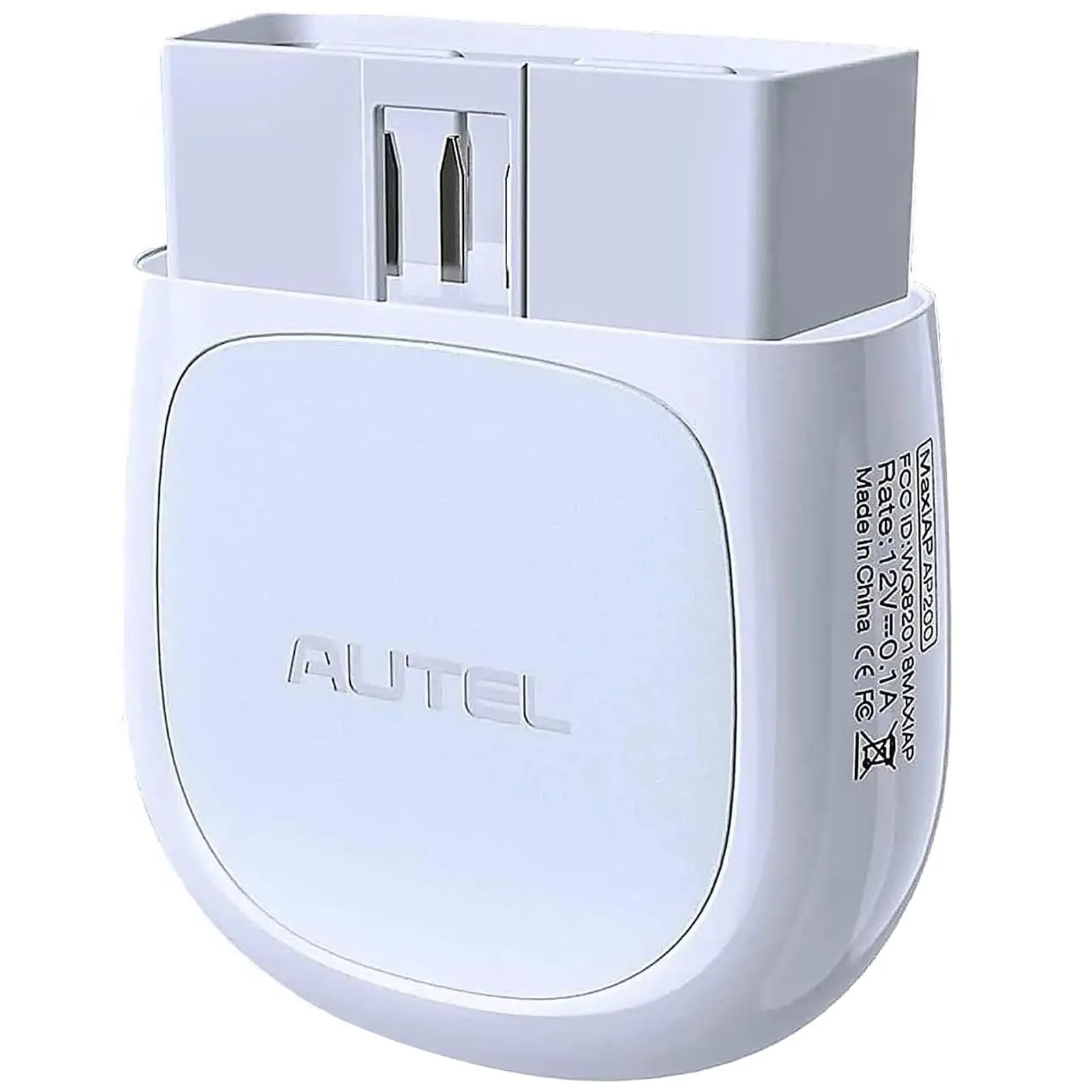
Ready to diagnose like a pro with BlueScan UK?
Upgrade Your Toolkit — £88.83